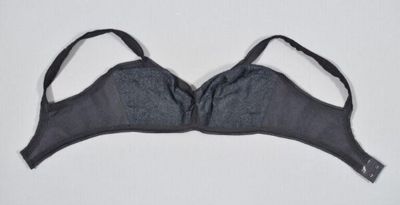
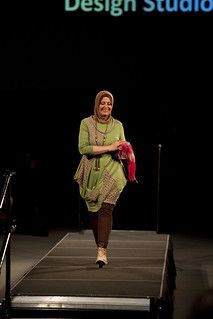
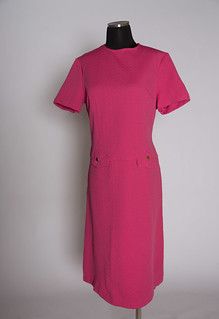
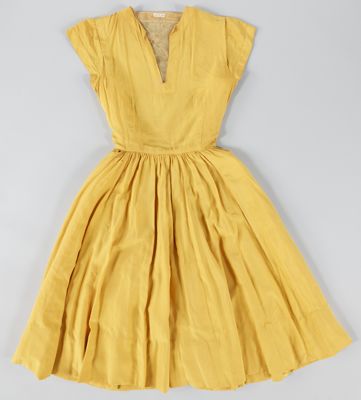
1627 garments across eras and cultures
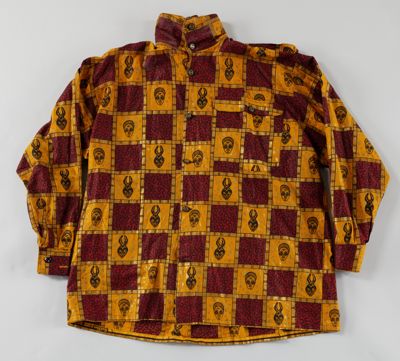
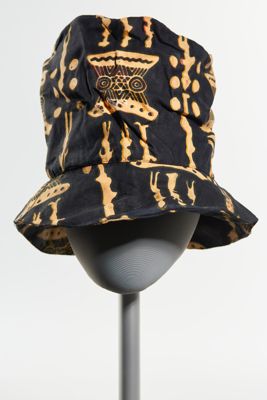
Both pieces pulse with the same cultural awakening—that moment in the '70s when African American fashion turned toward ancestral aesthetics as political statement. The dashiki's geometric checkerboard of burgundy and gold, punctuated by symbolic motifs, shares DNA with the bucket hat's bold figural patterns rendered in the same high-contrast palette that makes wax-print fabric so visually arresting.
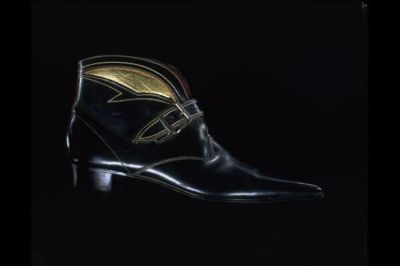
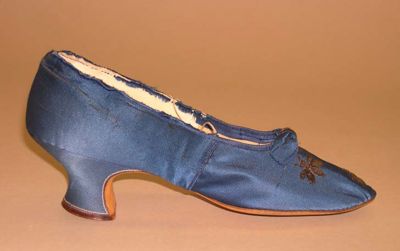
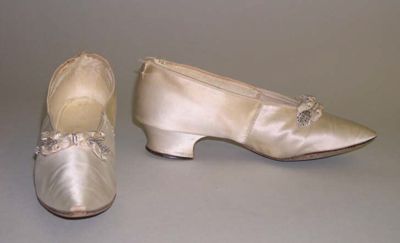
These fin de siècle slippers reveal how the pointed toe became the universal language of evening elegance across continents. The French navy pair's dramatic curve and rosette detail speaks to Second Empire theatricality, while the American pale pink shoes ten years later show how that same sharp point was refined into something more restrained, trading the bow for delicate buckled straps.
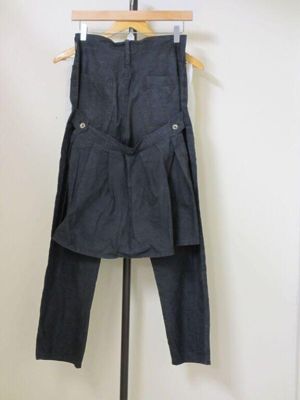
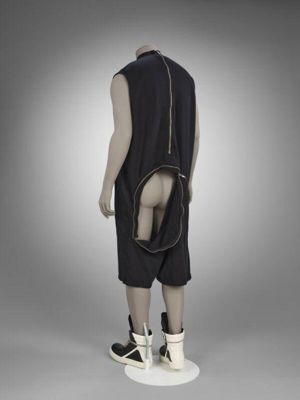
These two pieces trace the evolution of deconstructivist fashion's obsession with turning the body into a site of architectural experiment. The earlier trousers with their detachable apron-like flap and utilitarian snaps suggest a kind of industrial pragmatism—clothing as modular system—while the later draped bodysuit with its strategic cutouts and zip closures pushes that same logic toward something more theatrical and body-conscious.
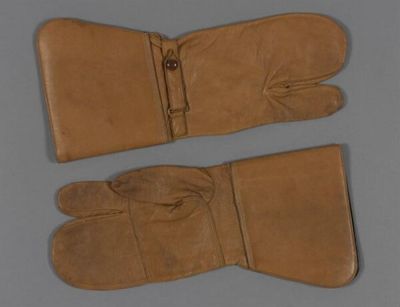
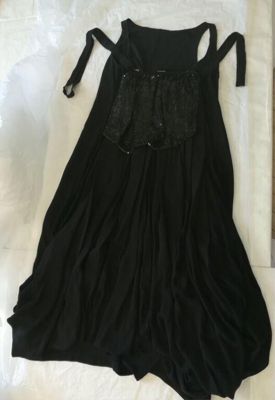
These pieces reveal how 1990s deconstruction operated across wildly different scales and functions. The leather gloves strip away the conventional five-finger format to create an almost mitten-like hybrid with that curious middle division, while the black dress abandons traditional garment boundaries entirely by fusing a sequined pouch directly into the jersey fabric.
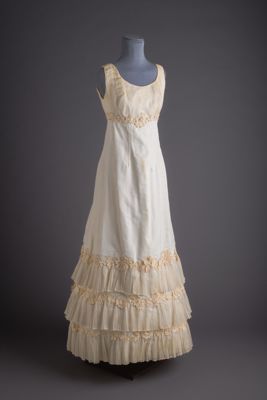
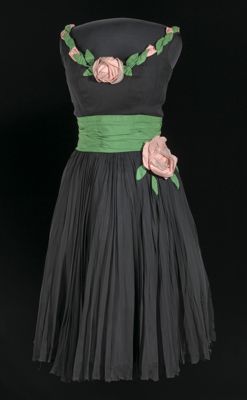
These two dresses reveal Ann Lowe's extraordinary range across four decades of couture, from the cream silk taffeta's cascading tiers of ruffles that anticipate Jacqueline Kennedy's wedding gown to the charcoal chiffon's knife-sharp pleats punctuated by her signature silk roses.