22 garments across eras and cultures
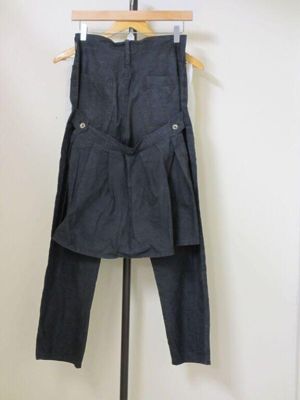
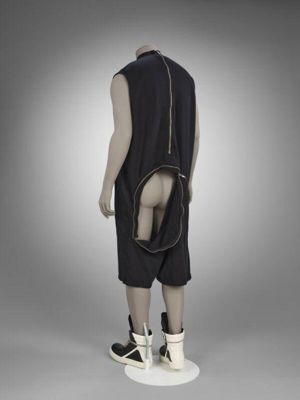
These two pieces trace the evolution of deconstructivist fashion's obsession with turning the body into a site of architectural experiment. The earlier trousers with their detachable apron-like flap and utilitarian snaps suggest a kind of industrial pragmatism—clothing as modular system—while the later draped bodysuit with its strategic cutouts and zip closures pushes that same logic toward something more theatrical and body-conscious.
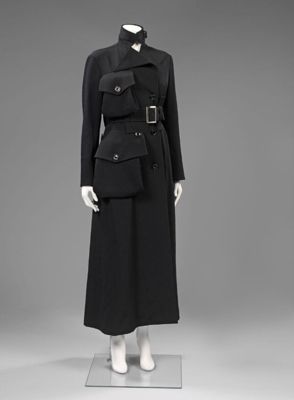
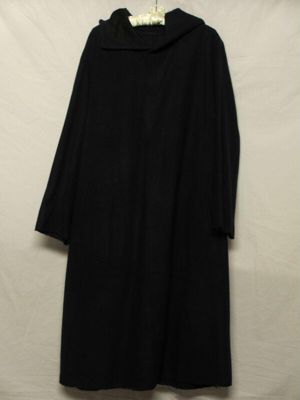
These two Yamamoto pieces show how the designer's deconstructed tailoring evolved from militant precision to monastic simplicity within the same decade. The trench coat dissects classic outerwear into angular fragments—notice how the belt cuts across asymmetrical panels and pockets jut out like architectural details—while the hooded coat abandons all that structural aggression for something more primal: a black wool envelope that swallows the body whole.
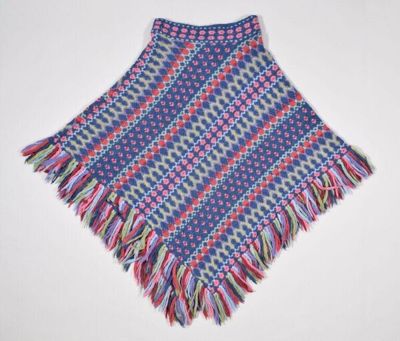
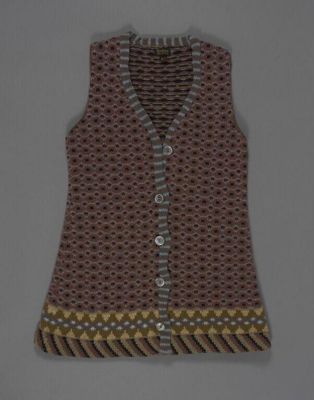
These two pieces capture Kaffe Fassett at different points in his obsession with Fair Isle geometry—the poncho reveling in the full riot of traditional Shetland patterning with its cascading zigzags and rainbow fringe, while the waistcoat distills that same DNA into something more restrained, almost architectural.
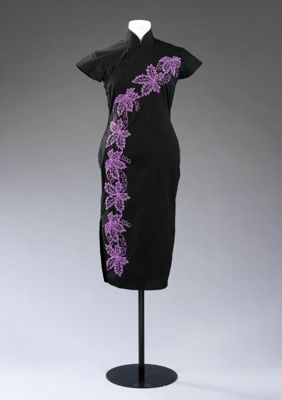
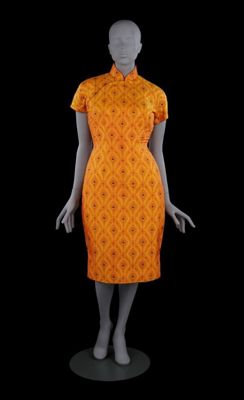
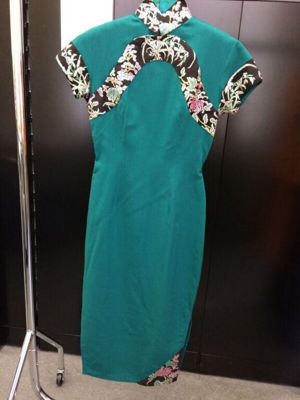
These two 1950s Hong Kong qipaos capture the precise moment when traditional Chinese dress absorbed Christian Dior's New Look, trading the loose fit of classical cheongsams for body-conscious Western tailoring.
These two qipaos capture the precise moment when Shanghai tailoring met 1950s Western glamour in Hong Kong's fashion houses. The teal dress deploys embroidered florals as strategic punctuation—collar, cuffs, hem—while keeping the body clean, but the orange number commits fully to pattern, letting geometric motifs create the dress's entire visual rhythm.