38 garments across eras and cultures
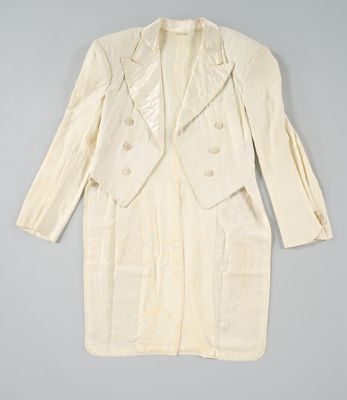
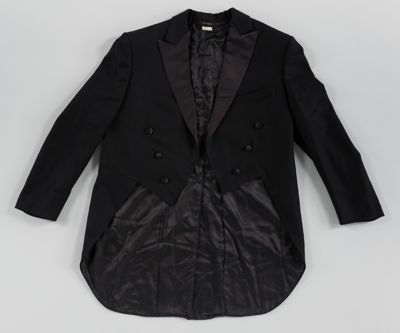
These two tailcoats reveal how formal menswear's most rigid silhouette barely budged across three decades of dramatic social change. The cream silk satin coat from the 1950s carries the same exacting proportions as its Victorian predecessor — that knife-sharp waist suppression, the identical swallow-tail drape, the precise double-breasted button stance — but swaps somber black wool for louche ivory silk that catches light like champagne.
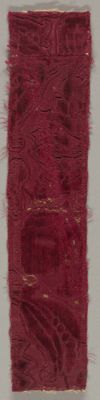
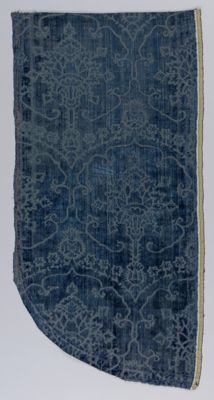
These two velvet fragments reveal how Renaissance luxury textiles evolved from their medieval predecessors while maintaining the same DNA of Byzantine-inspired grandeur. The burgundy Italian piece shows the Renaissance refinement of the pomegranate motif—those bulbous, symmetrical forms that became shorthand for aristocratic taste—while the blue fragment displays the earlier, more geometric interpretation of similar palatial patterns.
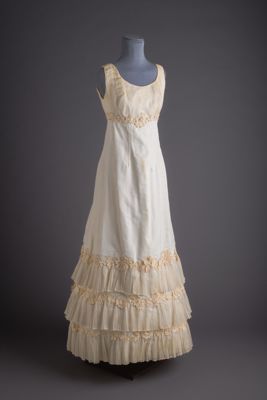
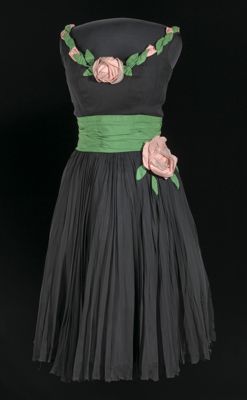
These two dresses reveal Ann Lowe's extraordinary range across four decades of couture, from the cream silk taffeta's cascading tiers of ruffles that anticipate Jacqueline Kennedy's wedding gown to the charcoal chiffon's knife-sharp pleats punctuated by her signature silk roses.
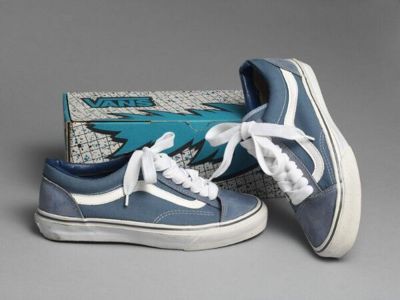
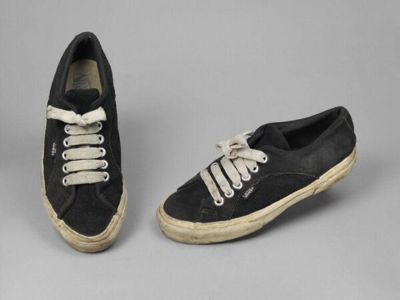
These Vans capture the precise moment when skateboarding's utilitarian aesthetic crossed into mainstream grunge territory in the '90s. The slate blue pair maintains that classic Vans side-stripe DNA and chunky sole that made them essential for both kickflips and Kurt Cobain cosplay, while the black suede version strips away the branding for a more minimal, almost European take on the same rebellious impulse.
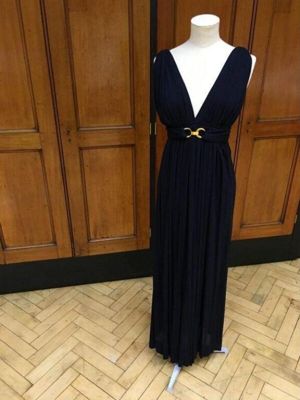
These dresses are separated by fifty years but united by their devotion to the body's natural architecture—both use fluid draping to create that liquid-mercury effect perfected in 1930s bias cuts. The pink gown's asymmetrical shoulder treatment and the navy's plunging neckline are different routes to the same destination: maximum skin, minimum interruption, letting fabric pool and flow like water over curves.