80 garments across eras and cultures
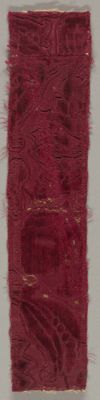
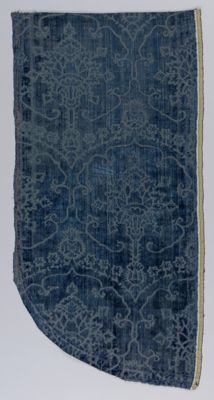
These two velvet fragments reveal how Renaissance luxury textiles evolved from their medieval predecessors while maintaining the same DNA of Byzantine-inspired grandeur. The burgundy Italian piece shows the Renaissance refinement of the pomegranate motif—those bulbous, symmetrical forms that became shorthand for aristocratic taste—while the blue fragment displays the earlier, more geometric interpretation of similar palatial patterns.
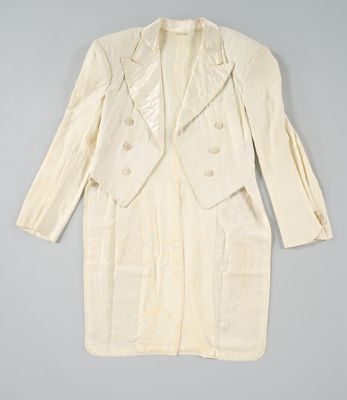
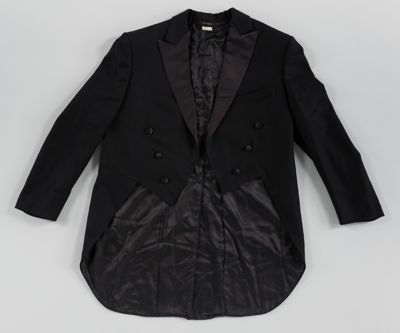
These two tailcoats reveal how formal menswear's most rigid silhouette barely budged across three decades of dramatic social change. The cream silk satin coat from the 1950s carries the same exacting proportions as its Victorian predecessor — that knife-sharp waist suppression, the identical swallow-tail drape, the precise double-breasted button stance — but swaps somber black wool for louche ivory silk that catches light like champagne.
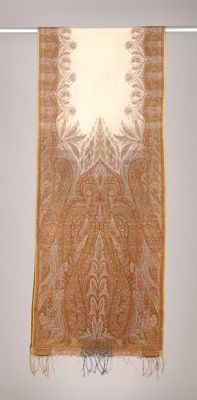
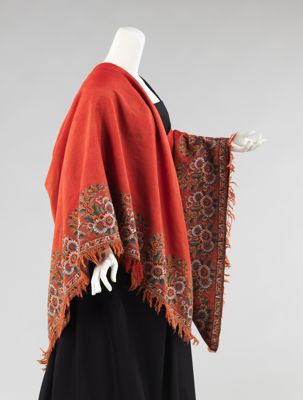
These two shawls reveal how the Kashmir paisley craze swept through European fashion like wildfire, transforming from exotic luxury to wardrobe staple. The earlier French example shows the motif in its full imperial glory—those dense, swirling paisleys crowding the red wool like a botanical fever dream—while the later Scottish piece has domesticated the same teardrop forms into neat, symmetrical borders framing serene cream wool.
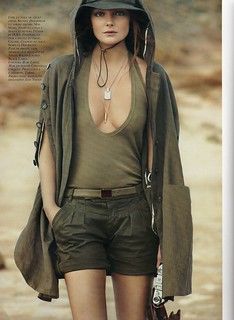
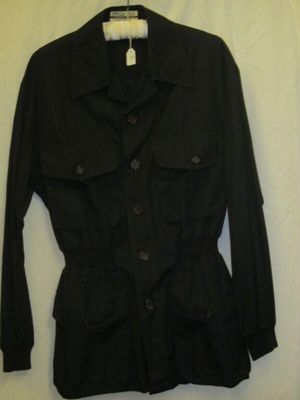
The safari jacket's crisp military bearing—those sharp breast pockets, the belted waist, the no-nonsense button stance—gets a complete personality transplant forty years later in that slouchy olive coat. Where the '70s piece stands at attention with its structured shoulders and precise tailoring, the contemporary version goes AWOL, letting the same utilitarian details hang loose and oversized like borrowed army surplus.
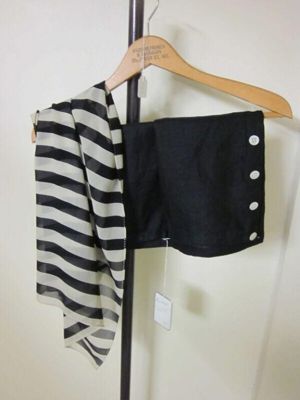
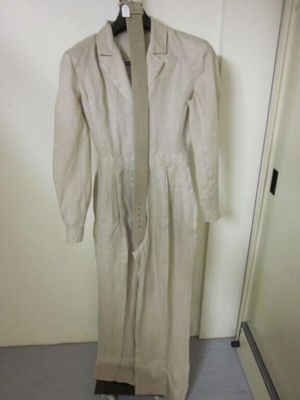
These two pieces trace Calvin Klein's evolution from his early minimalist separates to the refined ease that would define 90s American sportswear. The black linen ensemble with its crisp button details and structured skirt shows Klein still thinking in traditional garment categories, while that cream jumpsuit—with its relaxed tailoring and effortless drape—reveals how he learned to collapse the boundaries between formal and casual into one fluid silhouette.
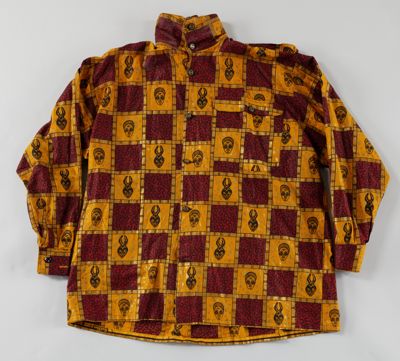
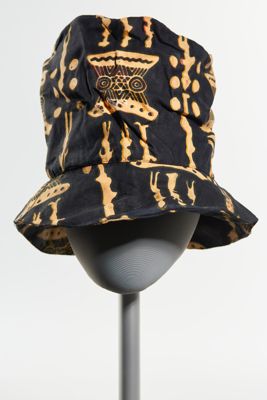
Both pieces pulse with the same cultural awakening—that moment in the '70s when African American fashion turned toward ancestral aesthetics as political statement. The dashiki's geometric checkerboard of burgundy and gold, punctuated by symbolic motifs, shares DNA with the bucket hat's bold figural patterns rendered in the same high-contrast palette that makes wax-print fabric so visually arresting.