56 garments across eras and cultures
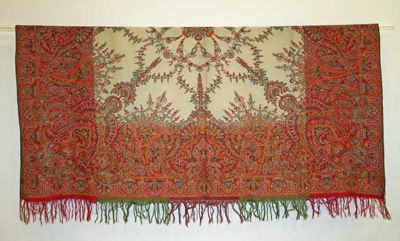
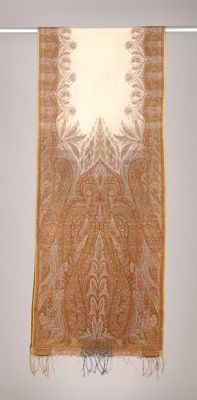
These two shawls reveal how the Victorian obsession with Kashmir paisley evolved from maximalist spectacle to refined restraint. The earlier red shawl drowns in dense, interlocking paisleys that carpet every inch of silk and wool—a textile fever dream where more was always more. The later cream stole pulls back, letting individual paisley motifs breathe against open ground, each teardrop shape now a considered accent rather than part of an all-consuming pattern army.
Both dresses ride the same wave of post-war optimism, when Dior's New Look made women hungry for yards of fabric after years of rationing — but they speak different languages of luxury. The American cotton version translates haute couture into something a secretary could afford, with its cheerful floral print and practical midi length, while the French silk number stays true to Dior's original vision with its sumptuous satin and dramatic full skirt that demands a ballroom, not a backyard.
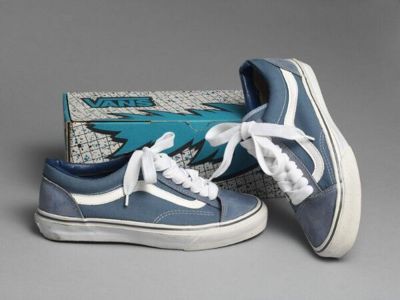
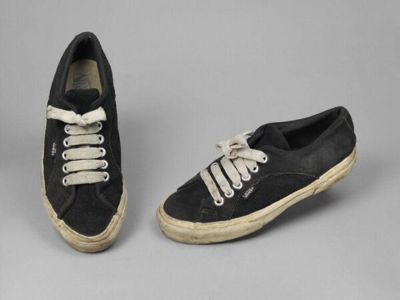
These Vans capture the precise moment when skateboarding's utilitarian aesthetic crossed into mainstream grunge territory in the '90s. The slate blue pair maintains that classic Vans side-stripe DNA and chunky sole that made them essential for both kickflips and Kurt Cobain cosplay, while the black suede version strips away the branding for a more minimal, almost European take on the same rebellious impulse.
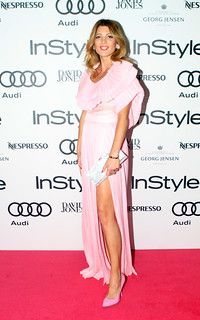
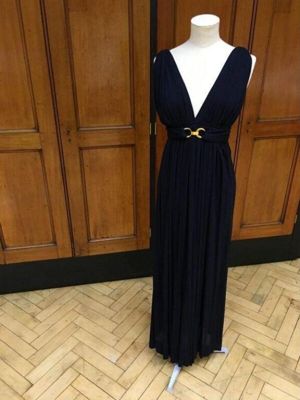
These dresses are separated by fifty years but united by their devotion to the body's natural architecture—both use fluid draping to create that liquid-mercury effect perfected in 1930s bias cuts. The pink gown's asymmetrical shoulder treatment and the navy's plunging neckline are different routes to the same destination: maximum skin, minimum interruption, letting fabric pool and flow like water over curves.
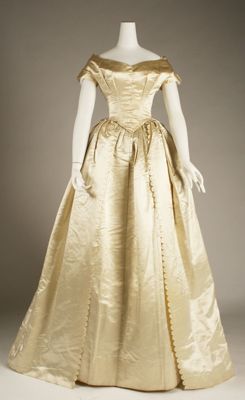
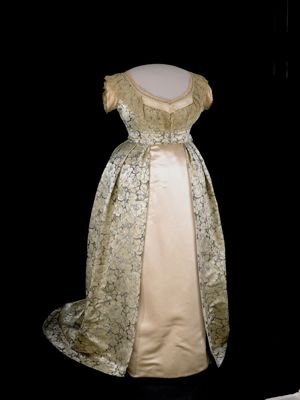
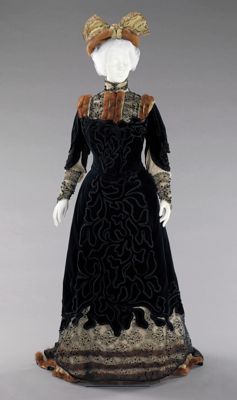
These two gowns reveal how the Second Empire's taste for theatrical luxury filtered through different social strata across two decades. The earlier brocade ball gown, with its off-shoulder bertha collar and metallic weave catching light like armor, speaks the formal language of Empress Eugénie's court—all glittering surfaces and architectural volume over crinolines.