THE MET
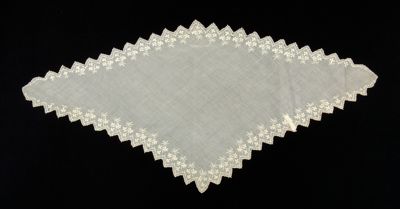
White Cotton Fichu with Scalloped Edging
Romantic · 1830s · American
Production
handmade
Material
cotton
Culture
American
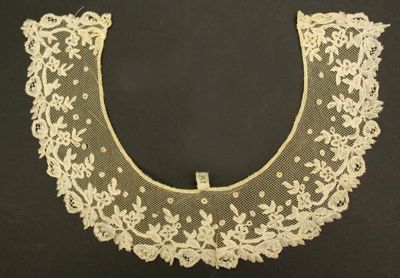
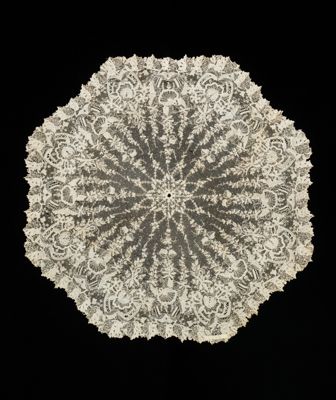
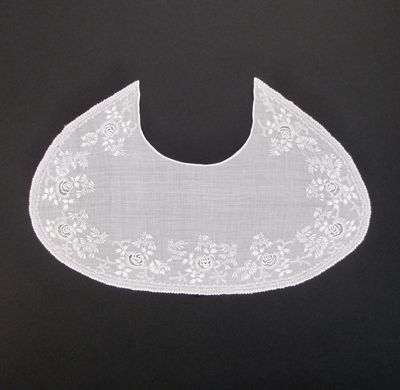
A triangular cotton fichu with elaborate scalloped edging featuring multiple tiers of decorative trim. The white cotton fabric appears lightweight and semi-sheer, typical of muslin or fine cotton lawn used for women's accessories in the 1830s. The most striking feature is the complex border treatment with graduated scalloped edges that create a rich textural frame around the entire perimeter. The fichu would have been worn draped over the shoulders and crossed at the chest, providing modest coverage over low necklines typical of Romantic period dress. The intricate handwork demonstrates the period's emphasis on decorative needlework and feminine accomplishment.
Pull the Thread→
Follow this garment wherever the graph leads
scarf
Connected To
THE METRomantic · 1830s
V&ARomantic · 1830s
Worn with·chemisetteWorn with·day dressTechnique
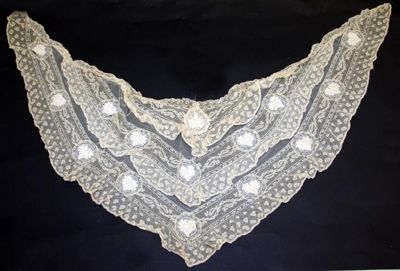
THE METRomantic · 1830s
THE METVictorian Early / Crinoline · 1840s-1860s
Worn with·chemisetteWorn with·day dressTechnique
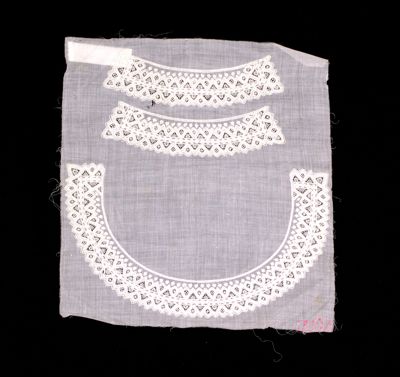
THE METVictorian Early / Crinoline · 1850s
THE METRomantic · 1830s
Worn with·chemisetteTechnique·lacework
SHARED20 years · cross-culture
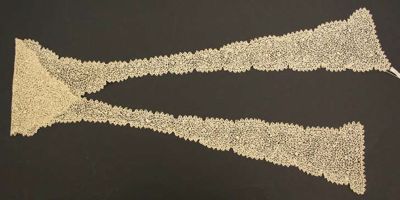
THE METVictorian Early / Crinoline · 1840s-1860s
THE METRomantic · 1830s
Worn with·day dressTechnique·lacework
SHARED25 years · cross-culture · cross-category